


There is a habit, when writing about African music for outside readers, of measuring everything by whether it has crossed over to the West. East Africa is a useful cure for that habit. Bongo Flava has spent years being enormous without needing anyone’s validation, and the wider region has quietly built one of the continent’s healthiest local music economies, where shows sell and radio still means something. These are the artists carrying it, from Dar es Salaam to Nairobi and beyond.
1. Diamond Platnumz

The centre of gravity, and not only because of the records. Diamond Platnumz built a machine, a label and a roster that turned Bongo Flava from a national sound into a regional export moving on its own logic.
Watching artists come up through his system, leave, and stay commercially serious tells you how deep the scene actually is. He did not just make hits. He built the infrastructure that let other people make them too, which is the harder and more lasting achievement.
2. Harmonize
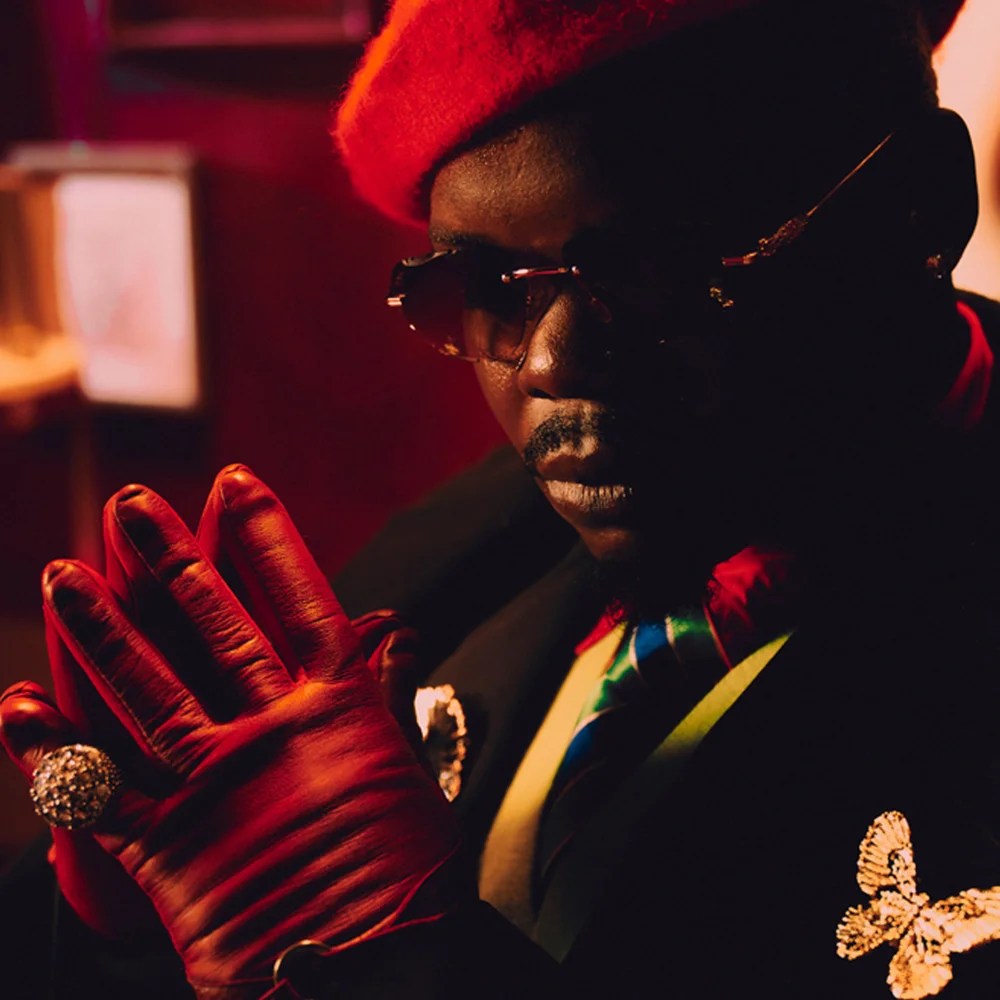
Harmonize came up through Diamond’s system before going his own way, and the fact that he could leave and still command a big audience says something about both of them. He proved a graduate of that machine could stand alone.
His sound leans on the melodic, romantic directness that defines the best of Bongo Flava. He is a reliable hitmaker who understands exactly what his audience wants and delivers it without overcomplicating things.
3. Rayvanny

A hitmaker’s hitmaker whose melodies travel well past Tanzania. Rayvanny has one of the most consistent runs in the region, the kind of artist whose songs turn up across East Africa whether or not the outside world is paying attention.
He also came up through the Diamond pipeline, which by now reads less like a coincidence and more like proof of how much talent that system channelled. He took what he learned there and built a distinct, melody-first identity.
4. Zuchu
Zuchu arrived and immediately mattered, one of the biggest debuts the scene had seen in years. She did it inside the same system that made Diamond, and she handled the pressure of that spotlight with a poise that suggested a long career ahead.
She fronts a melodic, Swahili-first sound with a genuine star quality, and she does it as a woman in a scene that, like most, did not hand that room over easily. Her rise widened who gets to headline in the region.
5. Alikiba
The veteran and the reference point. Alikiba has been around long enough to be a fixed star for everyone who came after him, and his staying power is itself an argument for how stable Bongo Flava is as an institution.
He predates a lot of the current machinery, which gives him a slightly different authority. He is proof the sound had depth and history before it had a modern export engine bolted onto it.
6. Mbosso

Mbosso keeps the soft, melodic lane warm better than almost anyone. His voice is built for the romantic, singable end of Bongo Flava, and he leans into it fully rather than chasing whatever is loudest at the moment.
That commitment to melody over aggression is part of what makes the East African sound distinct. Where other regions reach for toughness, this one often reaches to be loved, and Mbosso is a clean example of that instinct.
7. Nandy
Nandy carved out room as a woman fronting a sound that did not exactly volunteer that room. She earned her position through sheer quality, and she has become one of the most important voices in Tanzanian pop in the process.
Her presence matters beyond her own catalogue. Like the women reshaping pop further west, she made the path a little clearer for whoever comes next, and she did it by being undeniable.
8. Sauti Sol

Kenya’s most polished export, equal parts craft and showmanship. Sauti Sol brought a band sensibility and a real attention to arrangement that set them apart, and they carried Kenyan pop to audiences across the continent and beyond.
They are proof East Africa is not only a Tanzanian story. Kenya has its own distinct pop tradition, and this group did as much as anyone to give it a confident, exportable face.
9. Nyashinski

A rapper-turned-singer whose comeback set a standard for Kenyan pop. Nyashinski left the scene and returned to find he could do more than he had shown before, and the second act has been the better one.
He moves between rapping and singing with an ease that keeps him hard to pin down, and that flexibility has kept him relevant across shifts in what Kenyan audiences want. He is a craftsman first, which ages well.
10. Khaligraph Jones
Khaligraph Jones insisted, through sheer skill, that East African rap deserved to be taken seriously on its own terms. He refused to relocate his identity to earn respect, and he won it anyway, which was the whole point he was trying to make.
He does for Kenyan hip-hop what Sarkodie did for Ghana’s, standing as living proof that a rapper working in a local idiom can be one of the biggest artists in his country. No translation required, and none offered.
What the region has that a lot of louder scenes lack is a working local economy for the music. An artist can build a serious career playing Dar es Salaam and Nairobi and Kampala without ever chasing a Western co-sign, and that changes the incentives. You make music for the people in front of you, and it sounds like that. Confident, unbothered, aimed at home. The crossover will come on its own schedule, the way it did for amapiano and Afrobeats. The audience here was already there.


